
.png?width=700&height=394&name=Chorus%20Connection%20Blog%20Images%20(41).png)
Deciding what retirement would look like for me didn’t necessarily include singing—except perhaps the occasional church job or maybe a community chorus.
My longtime teacher had passed away. Then a second beloved teacher passed away. Adding the COVID pandemic to the mix felt like a sure sign my performance days were behind me.
Then life shifted.
A move to a new city, and a renewed friendship with a former colleague from a choir I had sung with for twenty years, led me to seek an audition for the local Master Chorale. In the meantime, I was already rehearsing with a well-established community chorus, drawn by the opportunity to perform with their local symphony.
Administrative hiccups delayed the Master Chorale audition, but something important happened in that waiting period: I found a new voice teacher—someone with a deep understanding of technique and, importantly, of a mature voice and body.
Then another opportunity appeared.
A new chorus was being formed to coincide with the reopening of the symphony hall. The first piece: Mahler 2—a work I had sung multiple times and recorded with the Minnesota Orchestra. The audition required three prepared arias from specified eras and sight-reading.
I was offered a paid position.
The rehearsal period was one intense week, culminating in a weekend of performances. The pace was no-nonsense, the expectations high—and I knew immediately:
This was where I wanted to be.

The Long Shot
This past year, another unexpected opportunity arose: an audition for the San Diego Opera—an AGMA house.
A long shot, to say the least.
Sitting in the holding area waiting to be called, my heart was beating so hard I thought my chest would explode. I was surrounded by singers who could have been my grandchildren.
What was I doing here?
Was I crazy?
Did I really need to publicly humiliate myself like this at my age?
I knew my singing that day was not my finest. But something held.
Sight-reading from an opera I had sung before helped steady me. So did reading in a foreign language I had studied. It wasn’t perfect—but it was enough.
Still, I was blown away to receive an acceptance letter.
It included a requirement to join American Guild of Musical Artists. Thankfully, I had been granted an honorary withdrawal years earlier, which kept me in good standing. I found my card, dusted off thirty years of history, and happily signed my contract.
Fast forward through the past month of music and staging rehearsals, culminating in three fabulous performances, and I find myself reflecting on this journey—and my good fortune.
How did I get here?
How did I get back to professional singing?

1. Hard Work
I have maintained weekly voice lessons for the past four years. The only cancellations were made by my teacher, who is herself an active performer with a soaring career.
In addition, I attended monthly studio sessions where singers perform for each other.
I’ll admit—at first, the lessons felt impossible.
My body did not respond as it once did. Rheumatoid arthritis, a bulging L4 causing painful sciatica, and knee replacements all challenged my ability to sing at the level I wanted.
But I was determined.
I remembered what life felt like when I was singing well—and I was willing to do whatever it took to find that again.
That meant practicing every single day. No excuses.
Even when time was limited, there was always something I could do:
- take a proper breath
- align my posture
- hum
- do lip trills in the car• do lip trills in the car
I also learned to focus more precisely:
- one perfect vowel
- one line of beautiful legato
- singing on, around, and through that ever-challenging passaggio
And slowly—oh, so slowly—I began to regain things I thought were lost.
Even high notes I believed were gone forever.
This week, I sang a (presentable) high E-flat—something that used to be effortless, disappeared for decades, and somehow found its way back.
2. An Attitude Shift
From hopelessness…
to determination…
with a giant dose of gratitude.

3. Luck
Being in the right place at the right time. Being ready when opportunity presented itself.
And perhaps most importantly, having the right attitude: balancing humility and gratitude while striving to be someone who inspires rather than intimidates.
A Final Reflection
This return was never part of the plan.
And yet, it has become one of the greatest gifts of my life.
What surprised me most was not the auditions, or even the acceptance—it was what happened on opening night.
For most of the auditions, and for many studio classes along the way, I experienced a level of nervousness I had never known in my earlier professional life. It was unsettling, humbling, and at times discouraging.
And then, standing just offstage, waiting for my entrance on opening night, I felt something entirely different.
Calm.
Not just control—but a deep, unexpected calmness.
It startled me.
And in that moment, I realized why:
I was home.
I was exactly where I was meant to be.
If you’re wondering whether it’s too late, you may be asking the wrong question.
A better one might be: what is still possible?
We want to hear from you — tell us about your comeback story or what singing goals you have set and achieved.
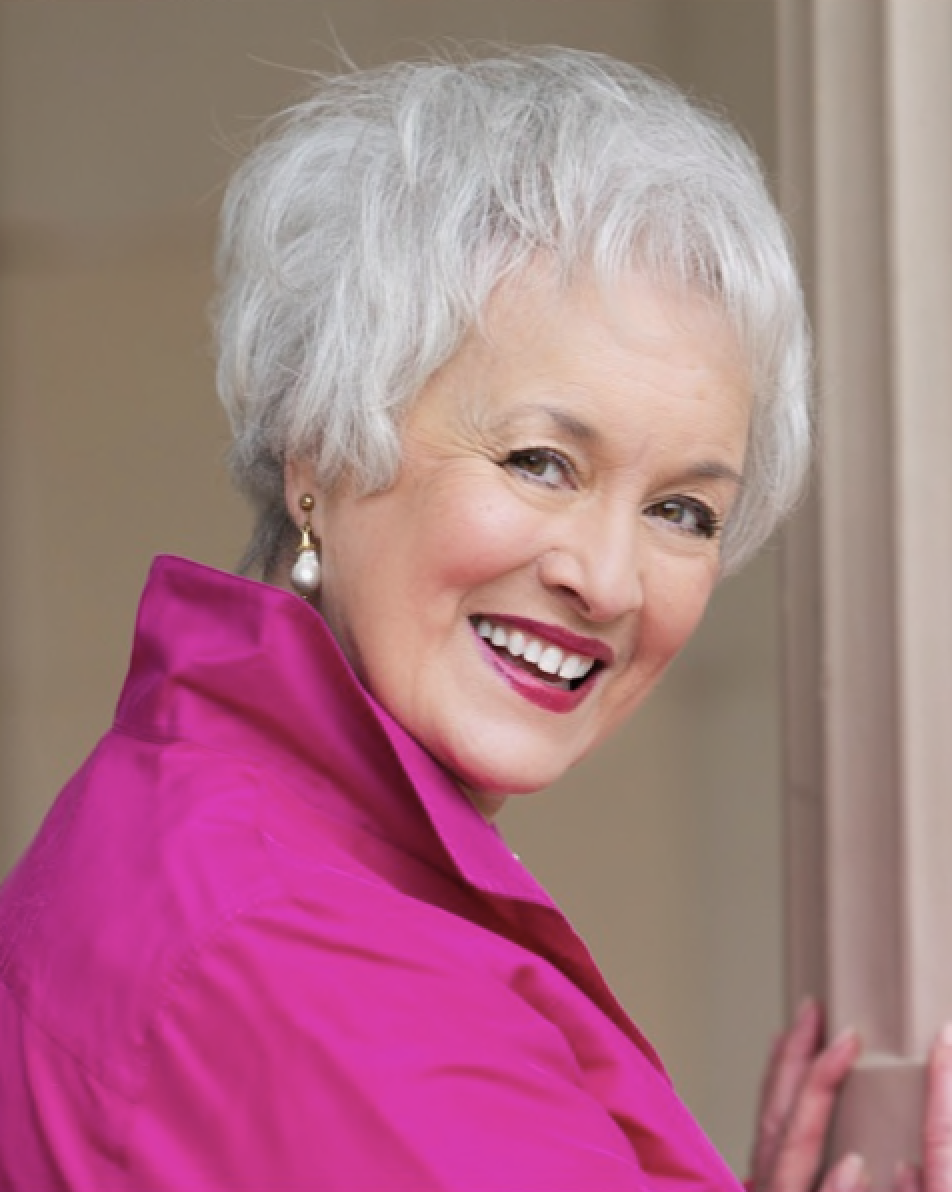
Lola Watson, Soprano, has sung with success on both national and international stages. She made her Carnegie Hall Debut, in New York City, singing Mozart’s Coronation Mass. Her Violetta, in Verdi’s La Traviata in San Francisco, Juliette, in Gounod’s Romeo et Juliette with the New Jersey State Repertory Opera, and the title role in Moore’s The Ballad of Baby Doe, are a few of Ms. Watson’s most successful roles. The role of Rossane in Handel's Alessandro, Ms. Watson’s European Debut, with Maestro Nowaskowski and the Sinfonia Varsovia in Warsaw, Poland, can be heard on a live recording released by the Schwann-Koch label. Ms. Watson has been heard with the Minnesota Orchestra singing the High Priestess In Aida and as the Mother in a fully staged production of Humperdinck’s Hansel and Gretel which she also performed with the Denver Symphony. She also sang with the Atlanta Symphony Chorus under Robert Shaw and for twenty years was a contracted singer with the Minnesota Chorale under Dr Kathy Romey Salzman, She is currently a staff singer with the San Diego Master Chorale and the San Diego Symphony Chorus, and a member of the La Jolla Symphony Chorus. In addition to a successful music career, Lola also celebrates a 45 year career as a nationally published, award winning interior designer, and former President of the American Association of Interior Design, Minnesota Chapter representing over 500 members. She happily lends her talents to causes that are dear to her heart; Children’s Cancer Research Fund / Dare to Dream Benefit, DIFFA /DIVA Ball and The Alzheimer’s Gala, to name just a few.